MANUFACTURING CAPABILITIES
World-class facilities, advanced equipment, and rigorous quality systems delivering cable assemblies that meet the demanding requirements of robotics applications.
Request Factory TourEngineering & Design
Our engineering team works alongside your designers to optimize cable assemblies for manufacturability, reliability, and cost.
A wire harness is a grouped set of wires, terminals, and coverings arranged for a machine layout, while a cable assembly refers to a finished cable or cable set terminated for power, data, signal, or hybrid transmission. Robotics programs usually need both disciplines because motion-rated cables still have to fit into a broader harness architecture.
Capability claims matter only when they connect to a buyer outcome: fewer quoting assumptions, fewer redesign loops after first samples, and a test plan that matches the actual robot environment.
Design Review
Free engineering review of your cable assembly designs with DFM recommendations
3D Routing Simulation
Virtual cable routing to validate bend radius and interference before prototyping
Material Selection
Expert guidance on wire, connector, and jacket material selection for your environment
Documentation
Complete drawing packages including assembly drawings, BOMs, and test specifications
Design Software
Our engineering team specializes in designing:
Capability Review Checklist
This table translates the page into the questions most OEM buyers ask during supplier qualification.
| Capability Area | What Buyers Need To Confirm | Why It Matters |
|---|---|---|
| Engineering review | Can the supplier review drawings, BOMs, and routes before quote? | It removes hidden assumptions before pricing and sample launch |
| Manufacturing control | Are cutting, crimping, labeling, and assembly methods documented? | Repeatable process control protects production consistency |
| Testing | Is the test plan matched to power, signal, or motion risk? | Continuity alone rarely covers robotics failure modes |
| Quality system | Are workmanship and release expectations defined clearly? | Quality language helps align OEM, supplier, and field-service expectations |
Production & Manufacturing
State-of-the-art equipment and lean manufacturing processes ensure consistent quality and on-time delivery.
Wire Processing
- Automatic wire cutting machines (Komax, Schleuniger)
- Precision wire stripping stations
- Laser wire marking systems
- Ultrasonic wire splicing
Crimping & Termination
- Fully automatic terminal crimping (Komax Alpha)
- Semi-automatic crimp presses with force monitoring
- Crimp height measurement systems
- Cross-section analysis equipment
Assembly
- Assembly workbenches with ESD protection
- Ultrasonic welding stations
- Heat shrink processing tunnels
- Potting and overmolding equipment
Cable Management
- Wire twisting machines
- Cable braiding machines
- Spiral wrap application
- Conduit and loom installation
Production Capacity
High-volume production capabilities for:
Quality Control
Multi-stage quality control ensures every cable assembly meets specifications before shipping.
Incoming Inspection
- Material certification verification
- Visual inspection
- Sample testing per AQL
In-Process Control
- First article inspection
- Crimp force monitoring
- Visual inspection at each station
Final Test
- 100% electrical continuity
- Insulation resistance
- Hi-pot testing (where required)
Outgoing Quality
- Final visual inspection
- Packaging verification
- Documentation check
Quality-critical applications:
Testing Laboratory
In-house testing validates cable performance before production and verifies ongoing quality.
Electrical Testing
- Continuity testing
- Insulation resistance (up to 1000V DC)
- Hi-pot testing (up to 5kV AC/DC)
- Contact resistance measurement
Mechanical Testing
- Pull force testing (up to 500N)
- Crimp cross-section analysis
- Flex life testing (10M+ cycles)
- Torsion testing
Environmental Testing
- Temperature cycling (-40°C to +150°C)
- Humidity exposure
- Salt spray testing
- UV exposure
Specialized Testing
- EMI/EMC pre-compliance
- Flame retardancy (UL VW-1)
- Chemical resistance
- Abrasion resistance
Critical testing for demanding applications:
Certifications & Compliance
Certifications are held by our manufacturing entity, Hebei Cloom, which builds our robotics cable assemblies. Original certificates are downloadable below.
ISO 9001:2015
Quality Management System
Held by Hebei Cloom · Cert. 19824QL3575R0S · valid to 2027-12-30
Download certificateISO 13485:2016
Medical device QMS — medical wire harness manufacturing
Held by Hebei Cloom · Cert. G25Q2GZ1262R0M · valid to 2028-12-22
Download certificateIPC/WHMA-A-620 certified specialist on staff
Cable & wire-harness workmanship (Class 3)
IPC/WHMA-A-620E CIS — Yulong Zhang · valid to 2028-03
Download certificateRoHS / REACH declarations
Material compliance
Material declarations provided on request
Factory Gallery
Take a virtual tour of our facilities
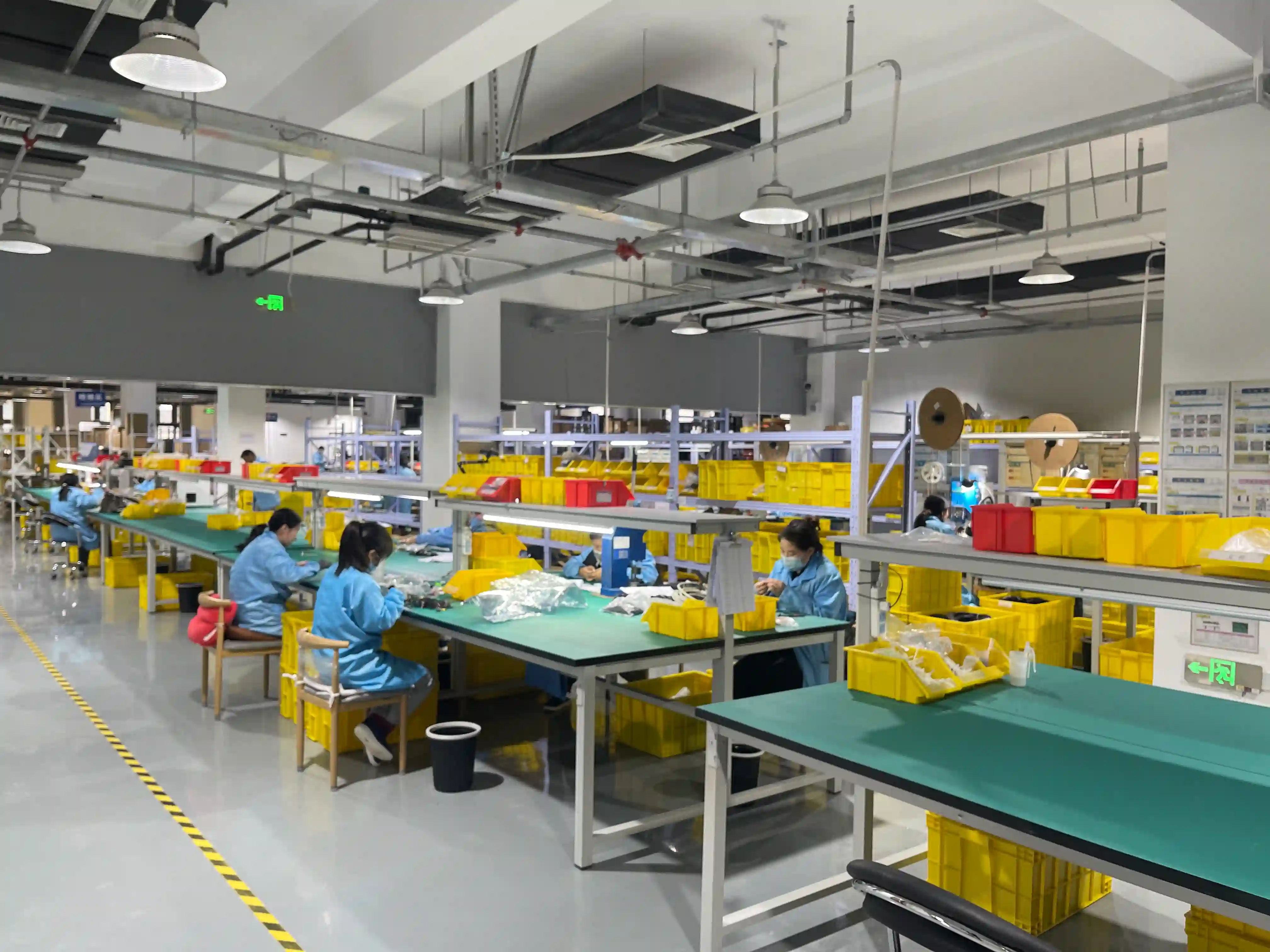
Clean Manufacturing Facility
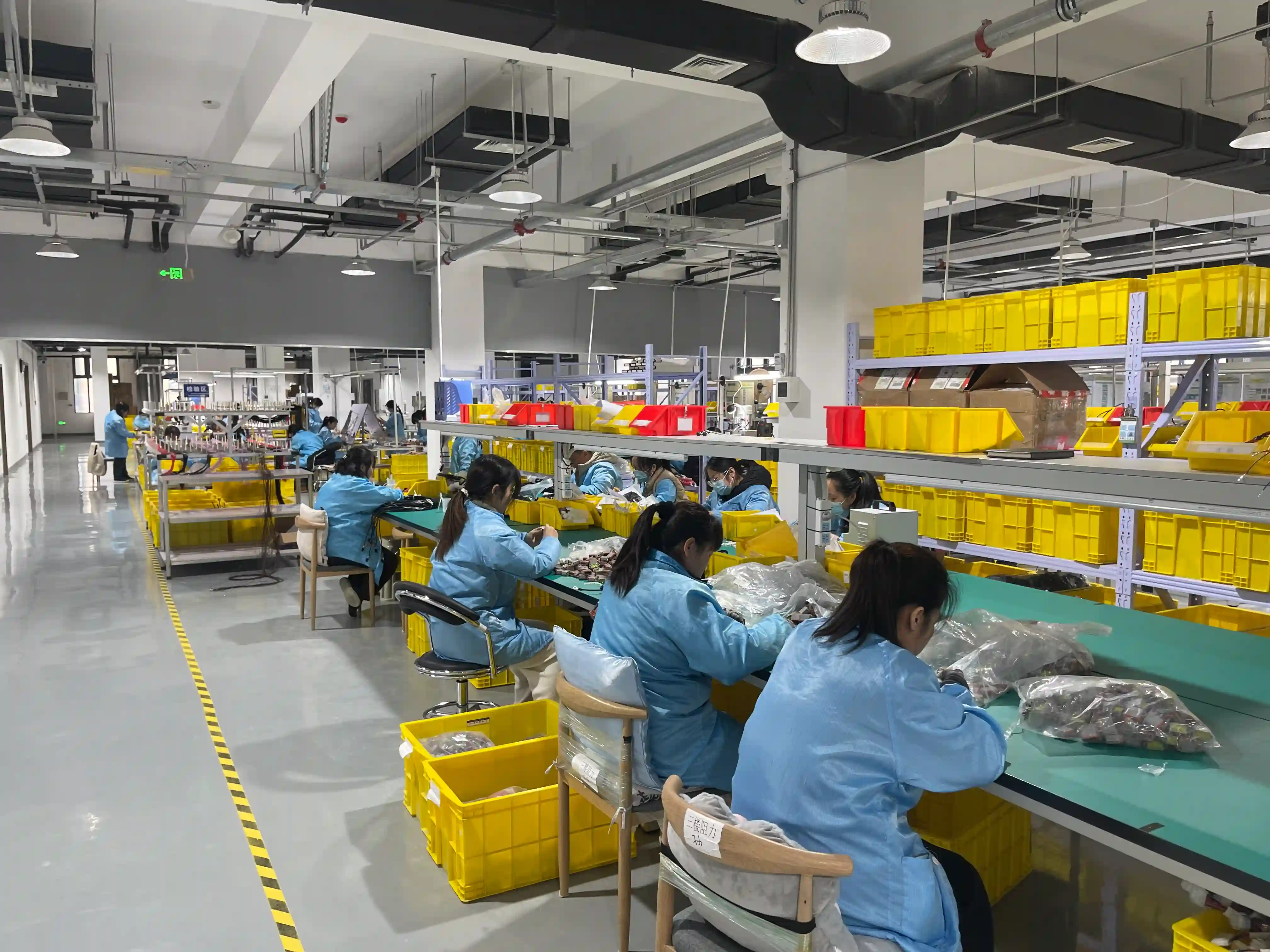
Automated Harness Assembly Line
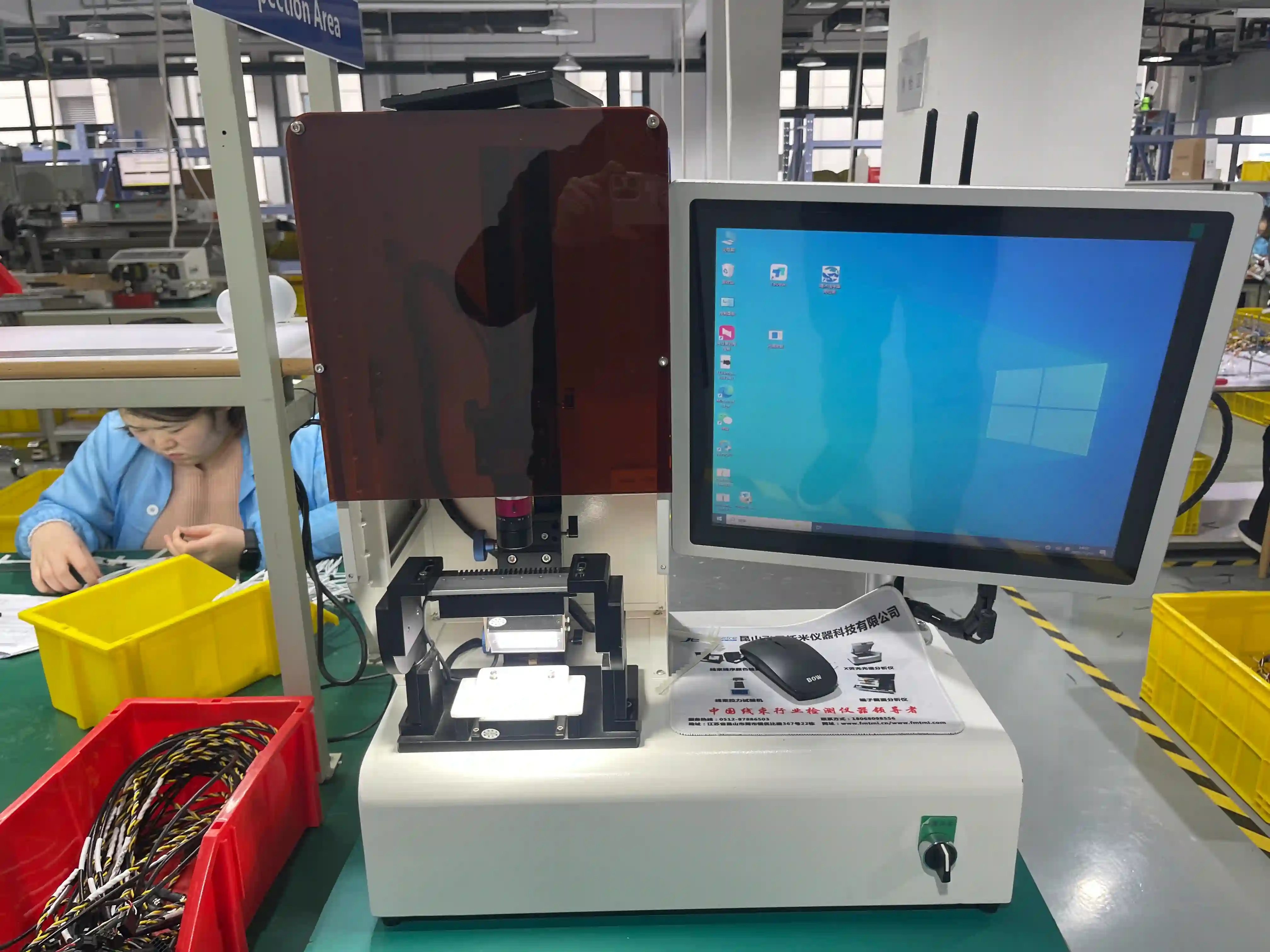
Wire Harness Testing Equipment
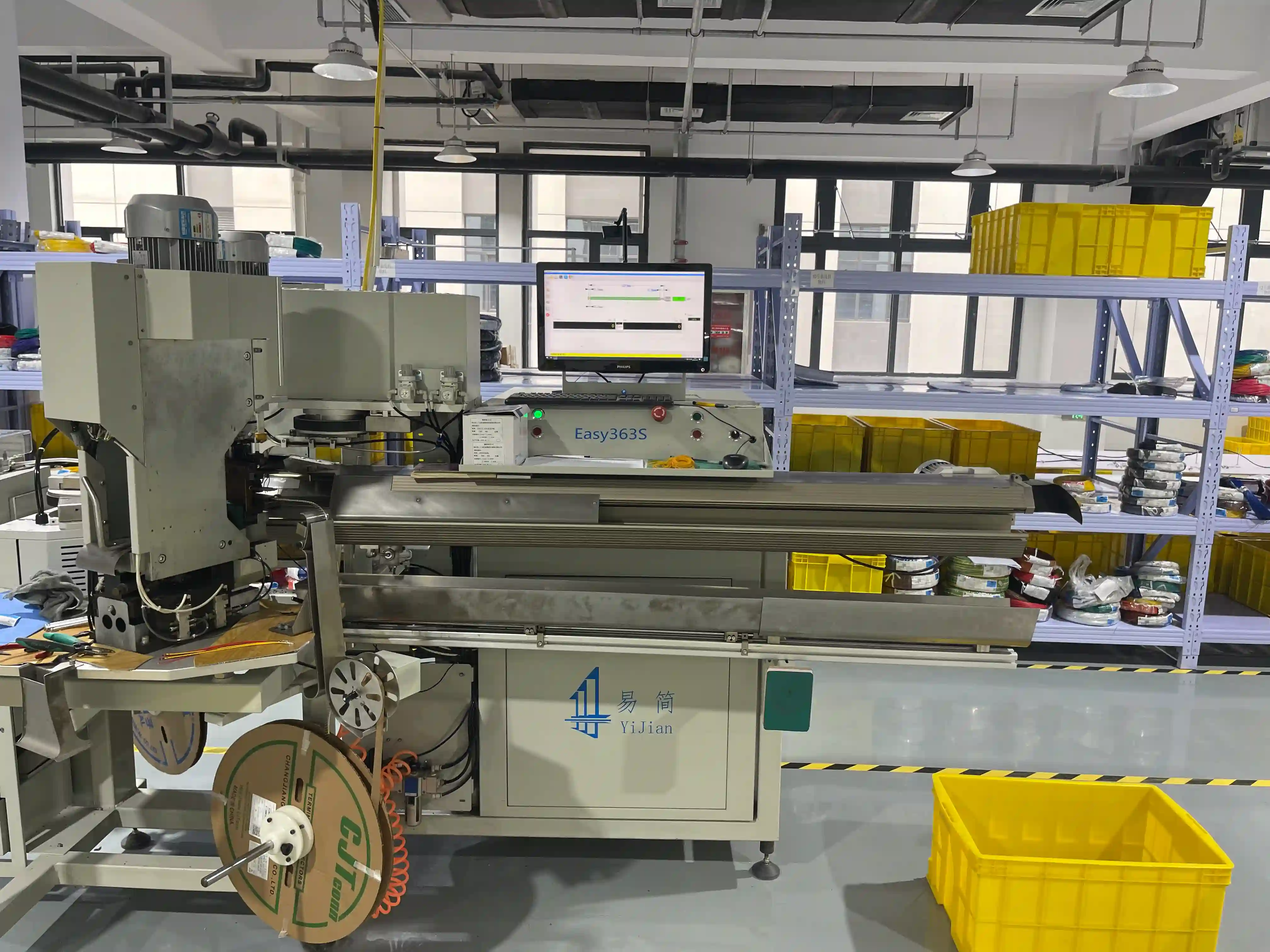
Automatic Wire Cutting & Crimping
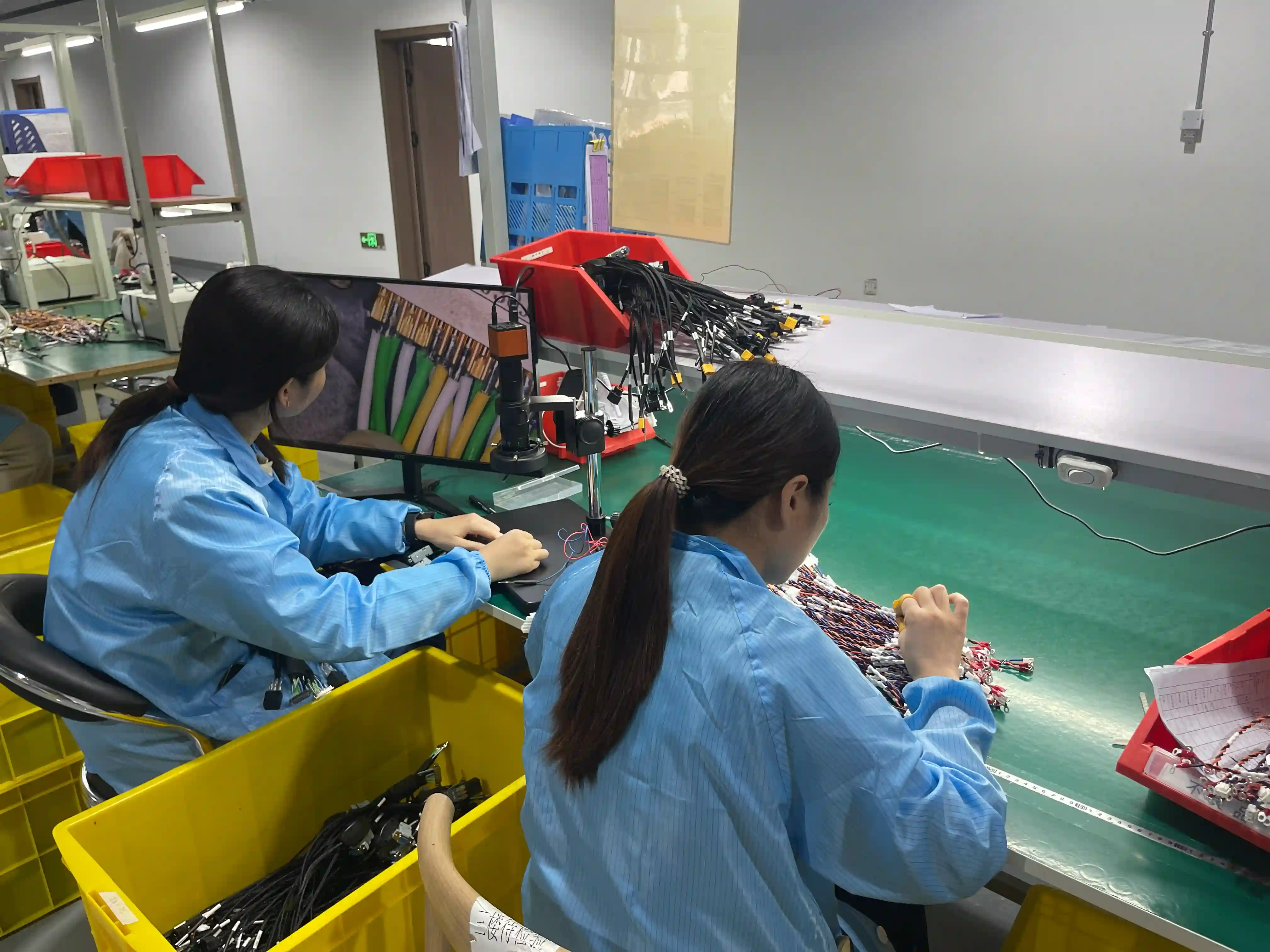
Cable Quality Testing Machine
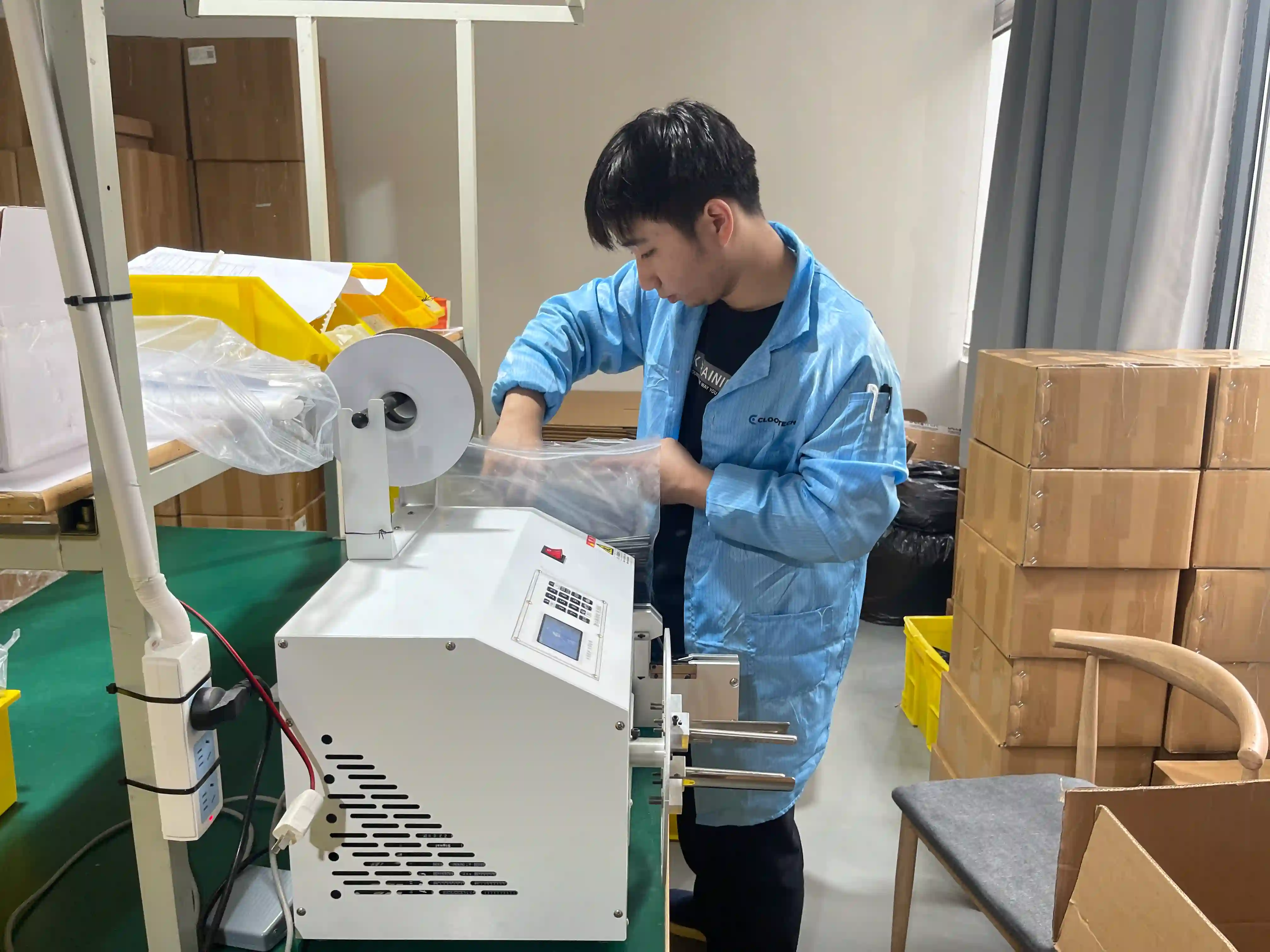
Wire Harness Packaging Service
Frequently Asked Questions
What does this capabilities page cover?
It summarizes engineering, manufacturing, quality, testing, and certification areas that robotics buyers typically review before sending drawings or approving first samples.
Why do robotics cable programs need manufacturing review early?
Cable routing, connector orientation, crimp tooling, and test scope affect cost and lead time before a prototype is even built, so early review reduces avoidable launch churn.
How is a wire harness capability different from a generic cable shop?
A wire harness capability includes routing logic, labeling, branch control, and integration planning for a machine, while a generic cable shop may only focus on termination and length.
What standards are usually relevant?
Buyers often use IPC for workmanship language, ISO 9001 for quality management expectations, and application-specific customer requirements for testing, traceability, and release control.
Can these capabilities support both prototype and volume builds?
Yes. The page emphasizes processes that help the same design move from sample review to repeatable production with documented checks and controlled revisions.
See Our Capabilities in Action
Schedule a virtual factory tour or visit us in person to see how we can support your robotics cable assembly needs.